Backpacking the Yucatan Peninsula: A Budget Travel Guide
Backpacking the Yucatan Peninsula costs $30-50 USD daily with hostel dorms at $8-15, street tacos at $0.50-1.50, and cenote entries at $5-15. The region concentrates world-class Mayan ruins (Chichen Itza, Tulum, Coba), 6,000+ cenotes, and Caribbean beaches within compact distances serviced by $1-5 colectivos.
The Yucatan Peninsula is a backpacker's dream destination. With its perfect blend of ancient ruins, stunning cenotes, Caribbean beaches, and affordable living costs, this corner of Mexico offers incredible value for budget-conscious travelers. Whether you're exploring jungle-covered pyramids or floating in crystal-clear underground rivers, every day brings new adventures without breaking the bank.
Why Backpack the Yucatan?
The Yucatan stands out as one of the best backpacking destinations in the Americas for several compelling reasons. The infrastructure for budget travel is well-developed, with hostels, cheap eats, and affordable transportation available throughout the region. The concentration of world-class attractions within a relatively compact area means you can see incredible sights without spending days in transit.
Safety is another major advantage. The Yucatan Peninsula is consistently rated as one of Mexico's safest regions for tourists. The main tourist corridor from Cancun to Tulum is well-patrolled and tourist-friendly, while the interior cities like Merida and Valladolid maintain their colonial charm and welcoming atmospheres.
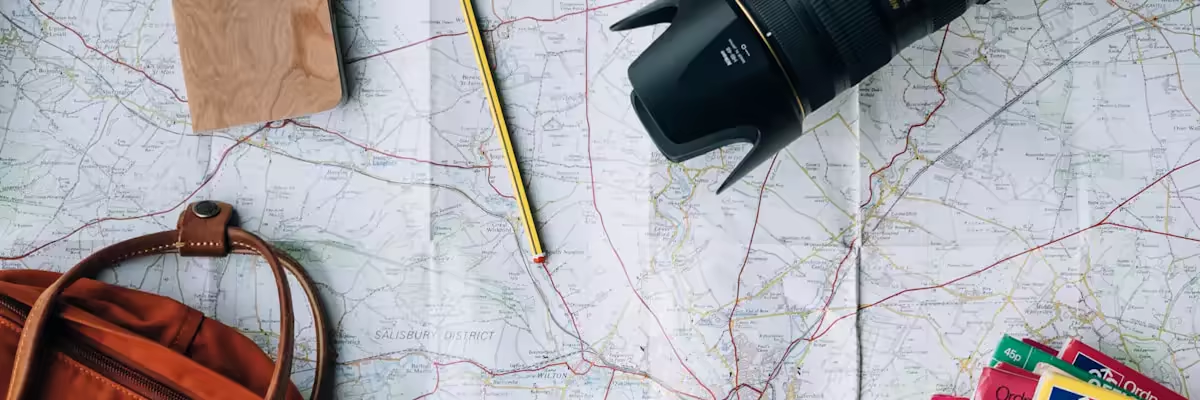
Plan your route through popular destinations like Playa del Carmen, Tulum, and Cancun.
Budget Breakdown: What to Expect
A typical daily budget for backpacking the Yucatan ranges from $30 to $50 USD, depending on your travel style. Here's a realistic breakdown:
Accommodation: Hostel dorms run $8 to $15 per night. Private rooms in budget hotels or Airbnbs cost $25 to $40. Hammock stays in some beach areas can be as cheap as $5.
Food: Street tacos cost $0.50 to $1.50 each. Set lunch menus (comida corrida) offer complete meals for $3 to $5. Groceries for self-catering are very affordable at local markets.
Transportation: Collectivos (shared vans) between major towns cost $1 to $5. ADO buses for longer distances run $10 to $25. Shared shuttles to attractions are reasonable.
Activities: Many cenotes charge $5 to $15 entry. Archaeological sites cost $5 to $15. Eco-parks are pricier at $80 to $150 but often include food and activities.
Essential Destinations
Playa del Carmen
This beach town makes an excellent base for exploring the Riviera Maya. While it can be touristy, affordable hostels and cheap eats are available just blocks from the beach. The famous 5th Avenue offers people-watching and nightlife, while collectivos provide easy access to nearby attractions.
Tulum
Known for its clifftop Mayan ruins overlooking the Caribbean, Tulum has become increasingly popular. Stay in town rather than the expensive beach zone to save money. The ruins themselves are one of the region's best values at just a few dollars entry. Nearby cenotes like Gran Cenote and Cenote Azul offer affordable swimming and snorkeling.
Valladolid
This colorful colonial city is a budget traveler's paradise. Accommodation costs half of what you'd pay on the coast, and the central plaza comes alive each evening with locals and travelers. The town sits perfectly positioned for day trips to Chichen Itza, Ek Balam, and several stunning cenotes.
Merida
The Yucatan's capital offers big-city amenities at small-town prices. Free cultural events happen almost daily, from traditional dance performances to concerts in the main plaza. The city's food scene is legendary, with regional specialties available at market stalls for just a few pesos.
Bacalar
The Lake of Seven Colors lives up to its name with stunning shades of blue. This laid-back town offers a perfect place to slow down from constant sightseeing. Kayak the lagoon, swim in the Cenote Azul, and enjoy waterfront sunsets. Budget accommodations line the lake shore.
Must-See Attractions
Archaeological Sites
Chichen Itza: One of the New Seven Wonders of the World. Go early to beat the crowds and heat. Entry costs around $15, and the experience is unforgettable.
Tulum Ruins: Smaller than Chichen Itza but dramatically situated on Caribbean cliffs. Entry is cheap, and you can swim at the beach below.
Coba: Still allows visitors to climb the main pyramid for jungle-canopy views. Rent a bike to explore the sprawling grounds.
Ek Balam: Less visited than the big sites but features incredible carved facades and climbable structures.
Cenotes
Thousands of these natural sinkholes dot the peninsula. Most charge $5 to $15 entry. Some favorites include Cenote Azul near Playa del Carmen, Gran Cenote near Tulum, Cenote Suytun near Valladolid, and Cenote Xlacah at the Dzibilchaltun ruins.
Beaches
Public beaches are free throughout Mexico. Playa Mamitas in Playa del Carmen, the beaches at Tulum, and Isla Holbox's shores all offer Caribbean beauty without entrance fees.
Getting Around
Collectivos: These shared minivans are the budget traveler's best friend. They run constantly between major towns along Highway 307. Simply wave one down, pay the driver, and hop off at your destination. Prices are fixed and affordable.
ADO Buses: For longer distances or more comfort, ADO operates first-class buses throughout the peninsula. Book online for the best prices, especially during holidays.
Rental Bikes: Many towns have cheap bike rentals, perfect for exploring local cenotes or cruising beach roads.
Budget Tips and Tricks
- Eat where locals eat: Look for taquerias and fondas filled with Mexican families. The food is authentic and incredibly cheap.
- Carry cash: Many small vendors and collectivos only accept pesos. ATMs are plentiful but avoid airport exchange rates.
- Visit attractions early: Beat both the crowds and the intense midday heat by arriving when sites open.
- Stay flexible: Last-minute deals on hostels and tours are common, especially in low season (May through October).
- Buy water wisely: Large garrafones (5-gallon jugs) at stores cost a fraction of small bottles.
- Use hostel kitchens: Self-catering a few meals per day saves significant money.
Suggested Itinerary: 2 Weeks
Days 1-3: Arrive in Cancun, transfer to Playa del Carmen. Explore 5th Avenue, swim at local beaches, visit a nearby cenote.
Days 4-6: Base in Tulum. Visit the ruins at sunrise, explore multiple cenotes, enjoy the beach and nightlife.
Days 7-9: Head to Valladolid. Day trip to Chichen Itza, explore Ek Balam, swim in cenotes around town.
Days 10-12: Continue to Merida. Experience the city's culture, try regional cuisine, visit Dzibilchaltun ruins.
Days 13-14: Finish in Bacalar for relaxation before departing via Chetumal or back through Cancun.
Packing Essentials
Pack light for the tropical climate. Quick-dry clothing, reef-safe sunscreen (required at cenotes), water shoes for rocky cenotes, a good daypack for adventures, mosquito repellent, and a reusable water bottle are essential. A light rain jacket is wise for afternoon showers, especially during the rainy season.
Frequently Asked Questions
How much does it cost to backpack the Yucatan Peninsula?
Is the Yucatan Peninsula safe for backpackers?
What are the must-see attractions in the Yucatan?
When is the best time to backpack the Yucatan?

 From Toronto, Canada
|
From Toronto, Canada
|  Living in Playa del Carmen, Mexico
 Toronto winters: survived. Playa del Carmen sunsets: living. Remote content strategist trading spreadsheets for cenotes. Taco consumption: alarming. Regrets: zero.
View Full ProfileFound this helpful?
Join the conversation. Share your own tips, experiences, or questions with the community.
Your blog could reach thousands too
More Blogs About Playa del Carmen
The Complete Mexico City Guide - Where a Decade Taught Me What Really Matters
CDMX living: Choose neighborhood carefully (Roma/Condesa $800-1500/mo but touristy, Coyoacán authentic). 2,240m altitude causes breathlessness first month. Spanish fluency non-negotiable. Tacos <$2.
Tulum Ruins Guide 2026: Visiting Mexico's Cliffside Mayan Site
Yes, you can swim at Tulum ruins—a beach sits below the cliffside temples. Arrive 8am, budget 2 hours, bring swimsuit. Entry: 95 pesos ($5 USD).
Why Playa del Carmen is the Best Budget Base in the Mexican Caribbean
Playa del Carmen offers accommodation costs 30-40% lower than Cancun or Tulum, with walkable access to beaches, restaurants, and attractions eliminating expensive transportation. Daily living expenses run $50-80 USD versus $100+ in neighboring zones, making it the Riviera Maya's best budget base.
You Might Also Like
What neighborhoods in Playa del Carmen are best for long-term renters?
I'm moving to PDC in a couple months and looking for a furnished apartment for 6-12 months. I work remotely so I need reliable internet. Budget is around $800-1200 USD/month. Which colonias should I focus on?
Q&AIs it better to rent furnished or unfurnished in PDC?
Planning to stay at least a year. Furnished places seem more expensive but buying furniture also adds up. What do most expats do?
Q&AHow does the pharmacy system work in Mexico?
Coming from Canada where everything requires a prescription. I've heard you can buy most medications over the counter in Mexico. Is that true? What about controlled substances?
RecommendationAgua de Coco 100%
I love fresh, local, organic coconut water, but in most fruterías in Playa del Carmen it's often mixed with water or, even worse, not fresh, and I end up throwing it away even when the bottle is still full (after paying at least 70–75 pesos). This is the only place where I always find 100% pure coconut water, freshly made the same day. It's 80 pesos per liter, but totally worth it! It's a tiny little shop that basically sells only coconuts and coconut water. The
RecommendationBurritos Queen Playa del Carmen
If you're missing a real, American-style burrito while you're in Playa, Burritos Queen totally hits the spot. These are the big, filling kind: beans, rice, creamy guacamole, and tons of flavor all wrapped up in a soft tortilla. <p data-start=
RecommendationPlaya Transport Service
I offer private shuttle service to and from Cancún Airport,reliable and comfort and inexpensive,call me +529841419144
Report an Issue
Help us improve our listings
Report Submitted
Thank you for helping us maintain quality listings. We'll review your report shortly.
Submission Failed
Something went wrong. Please try again.
Sign In Required
Please sign in to report an issue. This helps us follow up on your report if needed.


