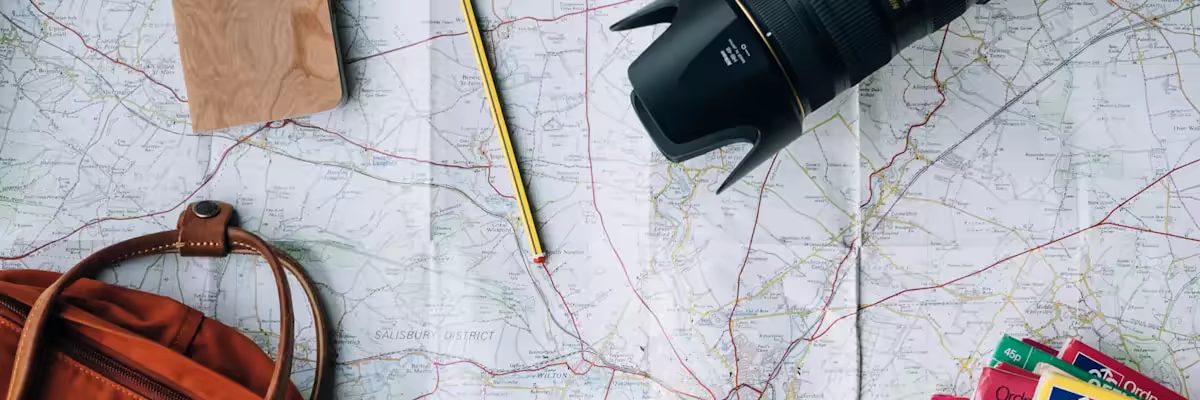
Integrating into Panama City: Culture, Language, and Making Local Friends
Yes, you can successfully integrate into Panama City's local culture by learning Spanish (which opens doors to genuine friendships, better prices, and job opportunities), attending local events and festivals, and actively breaking out of the expat bubble through neighborhood exploration and community involvement. True integration requires effort, patience, and genuine interest in Panamanian culture.
The Language Question
Spanish is the official language of Panama, though English is widely spoken in business, tourism, and expat communities. The reality? You'll have a much better experience if you learn Spanish.
That said, you can absolutely get by with English in Panama City, especially in your first months. But learning Spanish opens doors to:
- Genuine friendships: Panamanians appreciate when you make the effort to speak their language
- Better prices: Speaking Spanish means taxi drivers and vendors won't immediately assume you're a tourist
- Job opportunities: Many jobs pay more if you're bilingual
- Cultural access: Clubs, restaurants, and events cater differently to Spanish speakers
- Practical advantages: Government services, healthcare, and daily transactions are easier
Many language schools operate in Panama City, offering both intensive and part-time programs. Budget $1,000-2,000 for a serious month-long intensive course. The investment pays dividends.
Understanding Panamanian Culture
Panama is a melting pot with African, Caribbean, Indigenous, and Spanish influences. The culture is laid-back, social, and family-oriented. Key cultural values include:
- Relationship-focused: Panamanians value personal relationships over efficiency. Taking time to get to know people matters more than rushing transactions
- Family is central: Weekends revolve around family time. Respect this and you'll understand a lot about local priorities
- Festive spirit: Carnivals, holidays, and celebrations are taken seriously. Participating shows respect and builds connections
- Informal social norms: Things are more relaxed than in North America. Punctuality is flexible, and spontaneity is celebrated
- Warmth and friendliness: Panamanians are generally warm and welcoming to foreigners who show respect and effort
Understanding these values helps you avoid cultural missteps and build stronger relationships.
Breaking Out of the Expat Bubble
Panama City has a strong expat community with established hangouts, restaurants, and social groups. While these are valuable for initial connections and practical support, they can become an echo chamber.
To break out:
- Attend local events: Carnivals, street festivals, and neighborhood celebrations offer authentic cultural immersion
- Explore neighborhoods beyond Casco Viejo and the Financial District: Visit San Blas, San Felipe, and residential areas where locals live
- Take classes: Salsa dancing, Spanish language, or cooking classes connect you with locals in a low-pressure setting
- Join local sports or hobby groups: Cycling clubs, running groups, and volleyball teams are popular and welcoming
- Visit local markets and shops: Patronizing local businesses and getting to know vendors builds community ties
- Use local services: Instead of going to expat-friendly establishments, eat at neighborhood restaurants where locals congregate
Making Local Friends
The key to friendship in Panama is patience and genuine interest. Panamanians are friendly but friendships develop over time through repeated interactions.
Strategies for making local friends:
- Complain about something in Spanish: Bonding over shared frustrations (especially government inefficiency) is a universal icebreaker
- Show interest in local sports: Soccer is huge in Panama. Knowing about local teams gives you conversation material
- Attend church or community events: Churches are social hubs where locals welcome newcomers
- Be patient: Friendships in Panama develop slowly. Don't be discouraged if initial interactions feel surface-level
- Offer value: Help locals with English, share your professional expertise, or simply be a good listener
- Be authentic: Panamanians appreciate genuine people. Share your struggles and interests honestly
Dating and Romantic Relationships
The dating scene varies significantly between local and expat contexts. If you're interested in dating locally:
- Spanish is essential: Dating someone who doesn't speak your language severely limits connection
- Gender dynamics differ: Dating norms are different from North America and Europe. Be respectful of cultural expectations
- Family is involved: Serious relationships quickly involve family. This is normal and expected
- Online dating works: Apps like Bumble and Tinder are used by Panamanians, offering a modern way to meet people
Respecting Local Customs
A few do's and don'ts:
- DO: Learn key Spanish phrases for politeness (por favor, gracias, buenas noches)
- DO: Dress modestly in religious and traditional settings
- DO: Show respect for the national flag and patriotic symbols
- DO: Accept that time moves differently here—flexibility is key
- DON'T: Make jokes about Panama's political history or sensitive topics
- DON'T: Assume everyone speaks English just because you do
- DON'T: Criticize Panama compared to your home country
- DON'T: Flash wealth or display expensive items openly
Cultural Activities and Experiences
To deepen your understanding, participate in:
- Carnivals: The pre-Lenten carnival is major celebration with parades, costumes, and music
- San Blas Indigenous communities: Day trips to these islands offer insight into indigenous Panamanian culture
- Afro-Caribbean festivals: Celebrate the African and Caribbean heritage that's central to Panamanian identity
- Local museums: The Panamá Viejo ruins and national museums provide historical context
- Casco Viejo walking tours with local guides: Hear stories from someone who knows the neighborhood intimately
The Expat Community's Value
Don't dismiss the expat community entirely. It serves important functions:
- Practical support for newcomers navigating bureaucracy
- Professional networking and job opportunities
- Shared understanding of expat challenges
- Friendships based on common experiences
The ideal is balance—use the expat community for support and professional connections while actively building relationships with local Panamanians.
The Bottom Line
True integration into Panama City requires effort, patience, and genuine interest in the culture. Learning Spanish, attending local events, and making local friends transforms your expat experience from being a tourist who lives here to being part of the community. The rewards—deeper friendships, cultural understanding, and a sense of belonging—make the effort worthwhile.
Panama City is incredibly welcoming to expats who make the effort to integrate. Those who do often find it's one of the most rewarding experiences of their lives.
Related Panama City Integration Resources
- Explore Panama City - City guide and services
- Education & Childcare - Language schools and classes
- Community & Leisure - Local events and activities
- Add Your Business - Connect with the community
Frequently Asked Questions
Do I need to speak Spanish to live in Panama City?
How do I meet local Panamanians and make friends?
What are the key cultural differences I should understand?
How can I break out of the expat bubble?

 From Bogota, Colombia
|
From Bogota, Colombia
|  Living in Panama City, Panama
 Business consultant specializing in Panama's financial services sector. After relocating from Bogotá, I've spent four years helping entrepreneurs and expats navigate Panama's banking system, residency programs, and corporate structures. Based in Panama City.
View Full ProfileFound this helpful?
Join the conversation. Share your own tips, experiences, or questions with the community.
Your blog could reach thousands too
More Blogs About Panama City
Making Friends & Building Community in Panama
Build Panama community: join Facebook groups, Thursday-Friday expat happy hours in Panama Viejo/Casco Viejo, coworking spaces, Spanish classes, InterNations events.
Living in Panama as an Expat: A Realistic Guide for Newcomers
Living in Panama: Must learn Spanish, expect hot/humid 24/7 climate, understand direct communication style. Catholic culture, English limited to tourist areas.
Finding Work in Panama City: Jobs, Remote Work, and Starting a Business
Panama work: most expats work remotely for foreign companies. Local jobs in banking, tourism, teaching English. Business requires Investor visa. Good timezone overlap.
You Might Also Like
What neighborhoods in Playa del Carmen are best for long-term renters?
I'm moving to PDC in a couple months and looking for a furnished apartment for 6-12 months. I work remotely so I need reliable internet. Budget is around $800-1200 USD/month. Which colonias should I focus on?
Q&ABest cell phone plan for expats in Mexico?
Just arrived and need a local number. Should I get a prepaid SIM or a postpaid plan? I need data for maps, WhatsApp, and occasional calls to the US.
Q&ALuz Jameli Torres Torres: Con tu ayuda, mi voz se escuchará en la ONU en New York!
Hola soy Luz Jameli Torres Torres una mujer apasionada, auténtica, comprometida con diversas causas sociales y convencida de que el amor todo lo puede. Desde hace más de 17 años contribuyo en causas vinculadas a la defensa de una vida libre de violencia sexual en todas sus formas. Estudié Relaciones Internacionales y me gradué con una tesina sobre la trata de menores con fines de explotación sexual en América Latina,
RecommendationPlaya Transport Service
I offer private shuttle service to and from Cancún Airport,reliable and comfort and inexpensive,call me +529841419144
RecommendationVida Saludable Playa
Hatha Yoga, Vinyasa Yoga, kundalini Yoga, Meditación, Yin yoga, Samba, Afrofusion y más... Clases regulares de Lunes a Sábado, Aportación a partir desde $ 80mx.
RecommendationPDC Fitness Club (Free Group Workout) – Playa del Carmen
If you're looking for a welcoming, no-pressure way to stay active in Playa del Carmen, PDC Fitness Club is a great choice. The club offers free group workouts at the Deportivo Stadium , making fitness accessible and social for everyone: locals and visitors alike. Run by Rob ,
Report an Issue
Help us improve our listings
Report Submitted
Thank you for helping us maintain quality listings. We'll review your report shortly.
Submission Failed
Something went wrong. Please try again.
Sign In Required
Please sign in to report an issue. This helps us follow up on your report if needed.


