 Landengids
Leven in Verenigde Arabische Emiraten als Expat
866 bedrijven in 2 steden, samengesteld door de expat-gemeenschap
Living in Dubai and Abu Dhabi
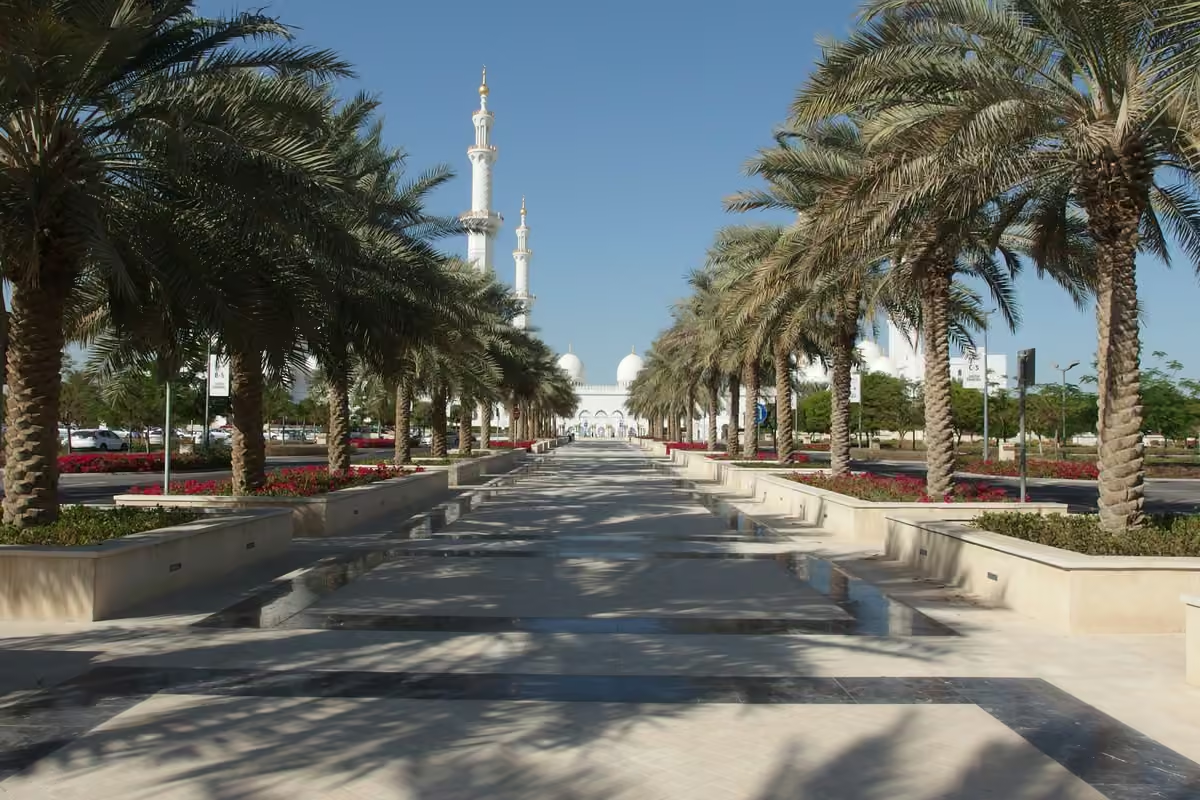
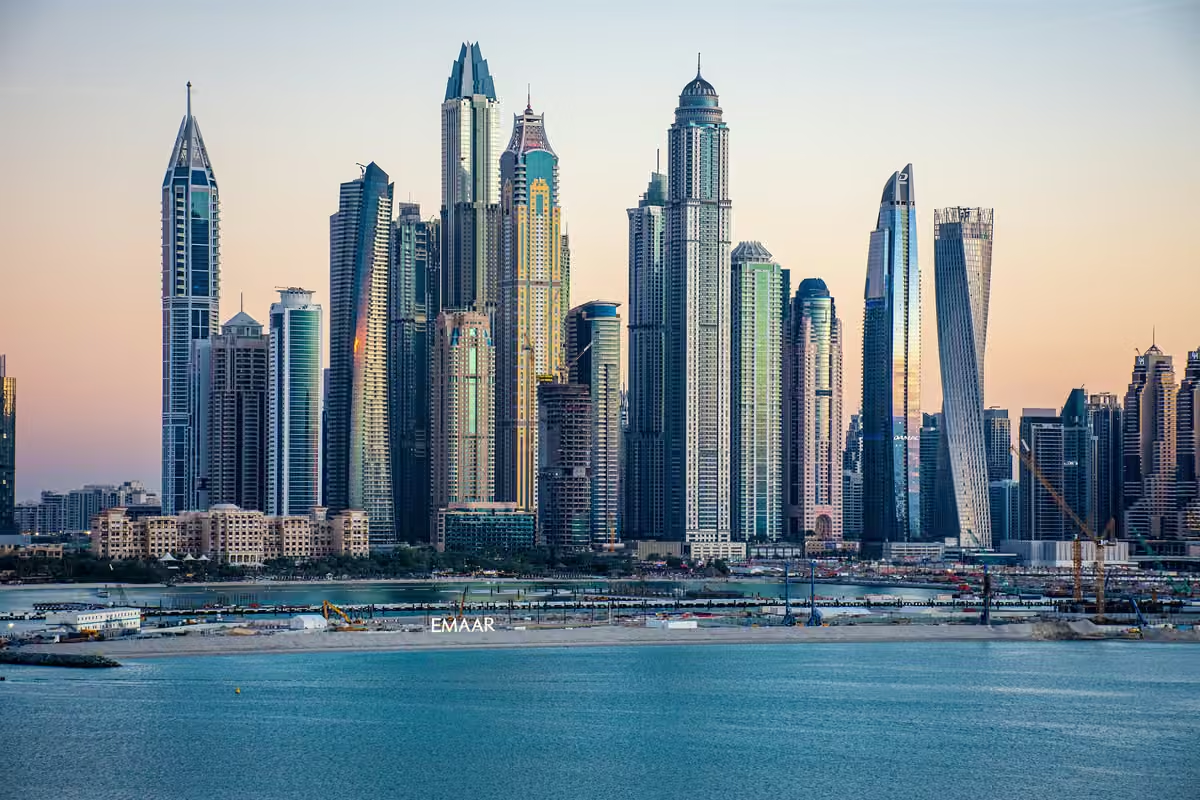
Most of the UAE's expat population lives in two emirates. Dubai is the larger and busier of the two, with a dense expat community, a wide choice of neighbourhoods and the country's main business and tourism economy. Abu Dhabi, the capital, is calmer and more spread out, with a strong government and energy sector and easier access to open space. Both are very international, and English works in daily life, at work and with most services.
Your residence visa is the centre of everything else. It is usually tied to an employer, to a property you own, or to a family member, and it unlocks your Emirates ID, a bank account, a tenancy and a phone contract. Two routes suit people who work for themselves. The Virtual Working Programme is a one-year residence for people who work remotely for an employer or business outside the UAE, and it asks for proof of roughly US$3,500 a month in income. The Golden Visa is a ten-year renewable residence open to property buyers from about AED 2 million, to certain investors and entrepreneurs, and to skilled professionals on a high salary. Rules and thresholds change, so check the official Dubai or Abu Dhabi immigration source before you apply.
Health insurance is compulsory for residents in both Dubai and Abu Dhabi, and a valid policy is checked when a visa or Emirates ID is issued or renewed. Employers usually cover their staff, but dependants and self-sponsored residents often need their own cover. Rent is the biggest cost for most people, and a tenancy is registered with the emirate, through Ejari in Dubai and Tawtheeq in Abu Dhabi. The UAE does not tax personal income, but your home country may still expect a return, so keep records of your days and your income. Summers from June to September are extremely hot, and most people plan travel and outdoor time around that.
Expat-steden in Verenigde Arabische Emiraten
Veelgestelde vragen over leven in Verenigde Arabische Emiraten
What visa options are available for expats in the UAE? +
Most expats hold a residence visa sponsored by an employer. Other common routes are a visa through a property you own, a family visa through a resident spouse or parent, the one-year Virtual Working Programme for people who work remotely for a company outside the UAE, and the ten-year Golden Visa for eligible investors, entrepreneurs and skilled professionals. Income and property thresholds are set by the authorities and change, so confirm them on the official Dubai or Abu Dhabi immigration website.
Do I need health insurance to live in Dubai or Abu Dhabi? +
Yes. Health insurance is compulsory for residents in both emirates, and a valid policy is checked when a residence visa or Emirates ID is issued or renewed. Employers usually insure their employees. Dependants and people who sponsor themselves, such as freelancers and remote workers, often have to buy their own cover.
Does the UAE tax personal income? +
The UAE does not charge personal income tax on salary, but there is a 5 percent VAT on most goods and services, and businesses can be subject to corporate tax. Your home country may still tax you as a citizen or as a resident, so an income exemption in the UAE does not always mean you owe nothing at home. Ask a tax adviser about your own situation.
How does renting work in Dubai and Abu Dhabi? +
Rent is usually agreed for a year and paid in advance in one to a few payments, so you need a lump sum ready at the start. The tenancy contract is registered with the emirate, through Ejari in Dubai and Tawtheeq in Abu Dhabi, and you need that registration for utilities and often for your visa paperwork. Agree the payment terms, the maintenance duties and the notice period in writing before you sign.
What is life like day to day for an expat in the UAE? +
It is convenient, safe by most measures and very international, with modern transport, healthcare and services. English is widely spoken, and Arabic is the official language. Summers are very hot, so life moves indoors from June to September. Public conduct, alcohol and dress rules differ from many countries and vary by emirate and venue, so read the local rules when you arrive.


