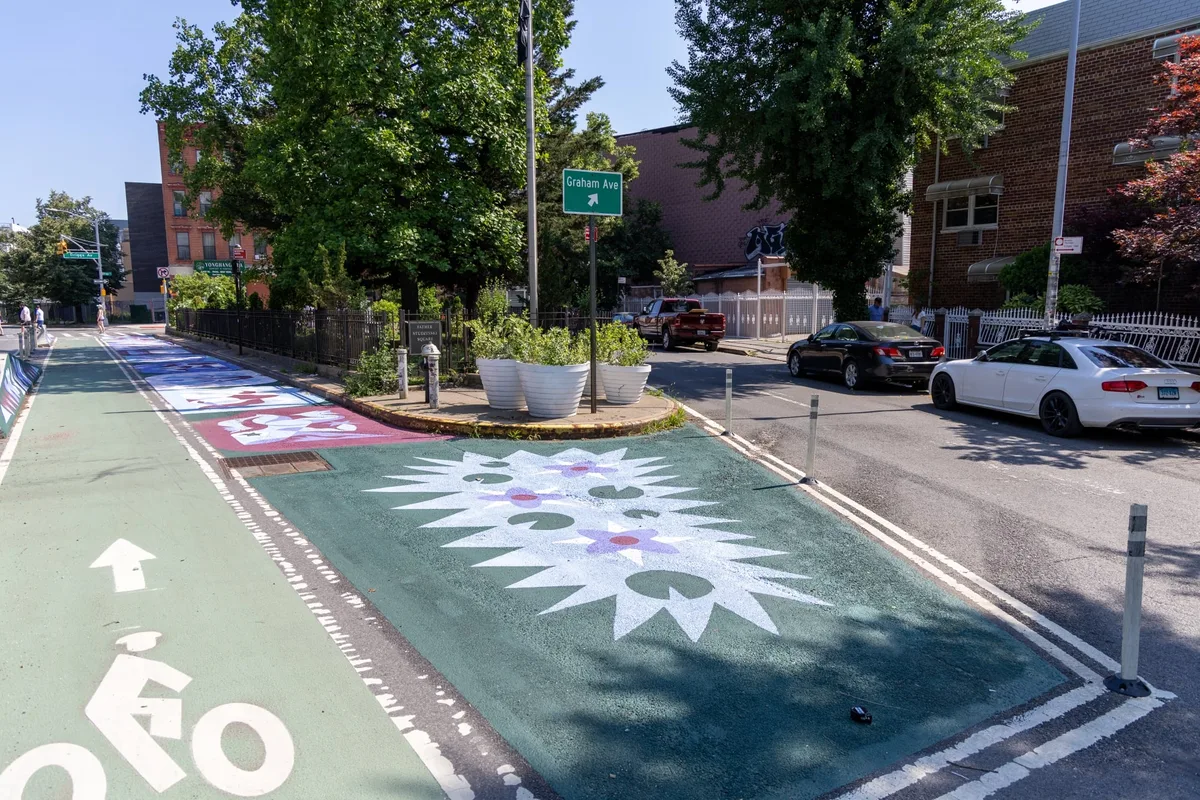
NYC Council Plans to Create ‘Low-Traffic Neighborhoods’ to Make Streets Safer for Residents
%22%3E%3Cstop%20offset%3D%220%22%20stop-color%3D%22hsl(45%2085%25%2093%25)%22%2F%3E%3Cstop%20offset%3D%221%22%20stop-color%3D%22hsl(75%2080%25%2090%25)%22%2F%3E%3C%2FlinearGradient%3E%3C%2Fdefs%3E%3Crect%20width%3D%2264%22%20height%3D%2264%22%20fill%3D%22url(%23g)%22%2F%3E%3Crect%20x%3D%2214%22%20y%3D%2214%22%20width%3D%2216%22%20height%3D%2216%22%20rx%3D%224%22%20fill%3D%22hsl(45%2065%25%2048%25)%22%2F%3E%3Crect%20x%3D%2234%22%20y%3D%2234%22%20width%3D%2216%22%20height%3D%2216%22%20rx%3D%224%22%20fill%3D%22hsl(195%2060%25%2052%25)%22%2F%3E%3Crect%20x%3D%2234%22%20y%3D%2214%22%20width%3D%2216%22%20height%3D%2216%22%20rx%3D%228%22%20fill%3D%22hsl(45%2065%25%2048%25)%22%20opacity%3D%220.55%22%2F%3E%3C%2Fsvg%3E)
Hey there, fellow expats and digital nomads based in New York! You might have noticed a change in the vibe of some of our neighborhoods lately. Well, it turns out there's a reason for it: the New York City Council is proposing to turn several areas into ‘low-traffic neighborhoods’ to reduce through-traffic and make our streets safer for everyone.
According to Council Member Shaun Abreu, who chairs the council’s Transportation Committee, the bill aims to redesign streets by installing traffic-calming devices such as speed bumps and medians. This pilot program will cover five neighborhood areas and run for two years. The goal is to reduce the number of car crashes and noise levels, while still allowing emergency vehicles and delivery trucks to pass through.
Abreu’s inspiration comes from the success of low-traffic neighborhoods in London, where these strategies have proven to be effective. The bill has already gained support from other council members and street-safety advocacy groups like Open Plans, who believe it's a common-sense solution to the growing problems caused by reckless driving and excessive congestion.
As an expat myself, I can attest to the hustle and bustle of New York City. This bill is definitely something to keep an eye on, as it could significantly affect how we move around the city and interact with our neighborhoods. So, if you're planning on exploring a new area or just want to stay informed, make sure to follow the progress of this bill.
Cela vous a-t-il été utile?
Rejoignez la conversation. Partagez vos propres conseils, expériences ou questions avec la communauté.
Signaler un problème
Aidez-nous à améliorer nos annonces
Signalement envoyé
Merci de nous aider à garder ExpatsList précis et fiable. Nous examinerons votre signalement sous 24 heures.
Échec de l'envoi
Une erreur s'est produite. Veuillez réessayer ou nous contacter directement.
Connexion requise
Veuillez vous connecter pour signaler un problème. Cela nous aide à assurer un suivi si nécessaire.


