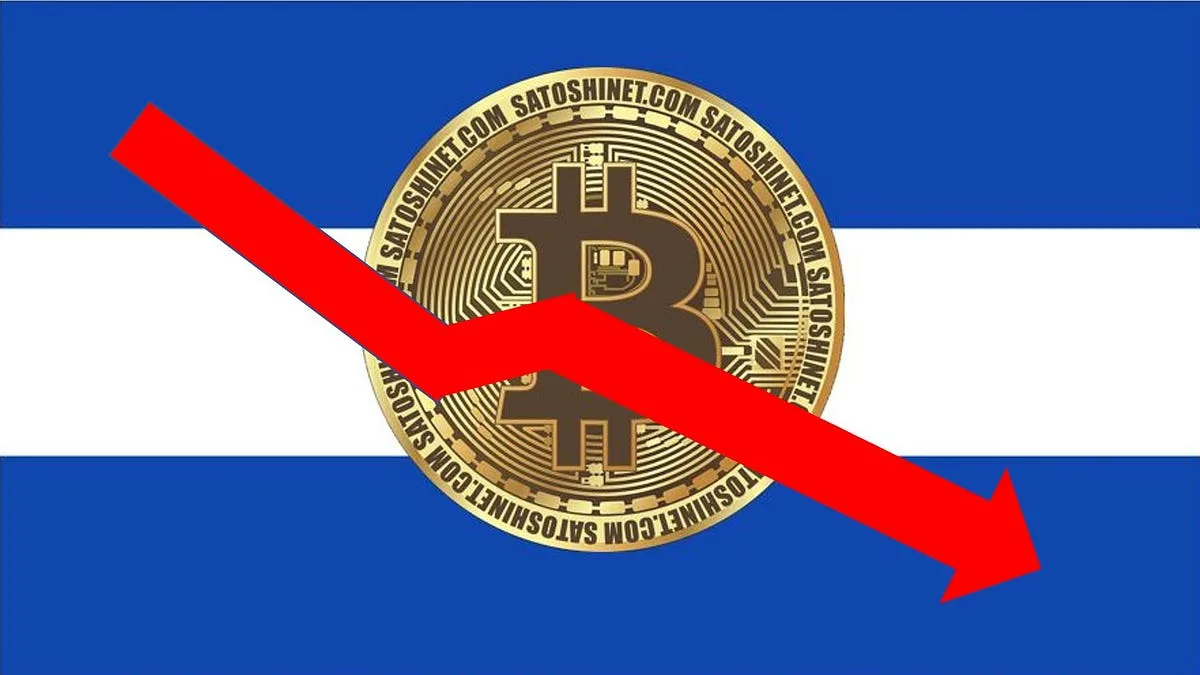
Bitcoin in El Salvador After 5 Years: What’s Really Happening?
The single most useful takeaway: Bitcoin is still with us, but not as a daily payment method or a tool for remittances. Instead, it’s now a growing reserve holding for the government.
What’s Changing
Bitcoin, once hailed as the future of El Salvador’s economy, has largely faded from daily use. Despite the initial hype, Salvadorans didn’t adopt Bitcoin as their primary currency. Today, most locals use credit cards or cash. Even the beach town of El Zonte, known as “Bitcoin Beach,” has seen Bitcoin payments almost disappear. Local merchants report that most customers now prefer traditional methods.What It Means for Residents
For expats and digital nomads like myself, the change means less reliance on Bitcoin for everyday transactions. However, it’s still a part of the local scene. The government continues to accumulate Bitcoin as a reserve, but the transparency around these purchases is questionable. The IMF now claims these purchases are from private donations, which doesn’t explain the daily Bitcoin purchases on the government’s website. The true source of these funds remains a mystery.The government’s daily Bitcoin purchases, documented on their site, create a confusing picture. While the IMF insists on private donations, the Bitcoin Office continues to post daily acquisitions. This inconsistency makes it hard to trust the official narrative.
 From El Salvador
|
Living in El Zonte, El Salvador
From El Salvador
|
Living in El Zonte, El Salvador Grew up down the coast in La Libertad, settled in El Zonte back when Bitcoin Beach was still just a rumor. Surfs every morning before opening his stand at the market.
Your blog could reach thousands too
报告问题
帮助我们改进信息内容
报告已提交
感谢你帮助我们保持 ExpatsList 内容的准确与可信。我们将在 24 小时内审核你的报告。
提交失败
出了点问题,请重试,或直接与我们联系。
需要登录
请登录后再报告问题。这有助于我们在需要时跟进你的报告。


