 Country Guide
 Living in Thailand as an Expat
442 businesses across 3 cities, curated by the expat community
Why expats choose Thailand
Thailand consistently ranks among the world's most popular expat and digital nomad destinations. With a tropical climate, exceptionally affordable cost of living, world-class street food, and a welcoming culture, it's easy to understand why tens of thousands of foreigners call Thailand home.
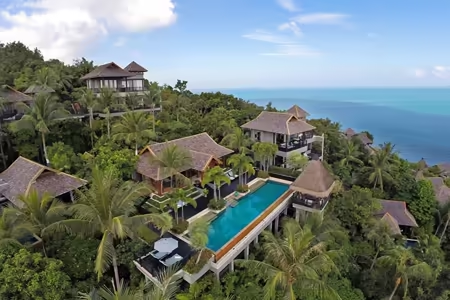
Koh Phangan, once known mainly for its Full Moon Party, has transformed into a thriving hub for wellness-focused expats and remote workers. Koh Samui, its larger neighbour, offers more established infrastructure with international hospitals, international schools, and a diverse expat community. Both islands benefit from domestic flights to Bangkok, making the mainland easily accessible.
Thailand's visa situation requires planning: standard tourist visas allow 60-day stays, and the country has introduced a Long-Term Resident (LTR) visa for high-income earners, retirees, and remote workers. Healthcare in private hospitals is excellent and very affordable. Bangkok Hospital operates branches across the island regions and is widely used by expats. The overall cost of living is roughly 50-65% less than Western Europe or North America for most everyday expenses.
Bangkok is where most long stays in Thailand start, and where a great many of them settle: the country's deepest supply of hospitals, international schools, visa agents and coworking space, with an elevated rail network that makes car ownership pointless and neighbourhoods to suit almost any budget.
Expat cities in Thailand


Frequently asked about living in Thailand
What visa options are available for expats living in Thailand long-term? +
Thailand offers several visa pathways: the Non-Immigrant O (retirement) visa for those 50+ with qualifying funds, the Long-Term Resident (LTR) visa for high earners and remote workers, and the Thailand Elite visa (now called Privilege Card) for premium multi-year access. Digital nomads often use tourist visa runs or education visas, but the LTR visa is now the best legal long-term option for remote workers.
How much does it cost to live in Thailand on the islands? +
Koh Phangan and Koh Samui are pricier than mainland Thailand but still very affordable by Western standards. Comfortable living costs typically run $1,200-$2,000/month, covering a nice apartment, local dining, transport, and occasional luxuries. Eating out at local restaurants costs $2-5 per meal. Imported goods and Western restaurants cost more.
Is healthcare good in Thailand for expats? +
Private healthcare in Thailand is excellent and much more affordable than in Western countries. Bangkok Hospital and Samui International Hospital on Koh Samui are highly regarded and have English-speaking staff. Most expats take out international private health insurance to cover hospitalisation. Koh Phangan has smaller clinics; serious cases are transferred to Koh Samui or Bangkok.
Is it safe to live in Thailand as an expat? +
Thailand is generally considered very safe for expats. Violent crime against foreigners is rare. Common issues include petty theft in tourist areas, motorbike rental scams, and road accidents (Thailand has high road fatality rates, so always wear a helmet). Expat communities on both islands are well-established and helpful for newcomers navigating local safety norms.
Can I open a bank account in Thailand as a foreigner? +
Opening a Thai bank account requires a valid visa (not a tourist visa in most cases). Kasikorn Bank (KBank) and Bangkok Bank are most foreigner-friendly. You'll need your passport, proof of address, and usually a work permit or long-stay visa. Many expats use Wise for international transfers while banking locally for daily expenses.


