The Complete Guide to Los Cabos for Expats and Digital Nomads
What it is really like living between San Jose del Cabo and Cabo San Lucas
Why I moved to Los Cabos
I grew up in Guadalajara, but I moved out to Los Cabos in 2019 and never looked back. People hear "Cabo" and picture spring break and cruise ships, and sure, that side exists. But once you live here, you realize Los Cabos is really two towns with two completely different personalities, joined by a resort corridor along some of the most dramatic coastline in Mexico. If you are thinking about moving here as an expat or remote worker, here is what I wish someone had told me before I packed my bags.
San José del Cabo vs. Cabo San Lucas
This is the first thing to understand, because it changes everything about how you will live here.
San José del Cabo is the older, quieter town. The historic center has cobblestone streets, art galleries, and a plaza that still feels like a real Mexican town square. Every Thursday from November through June, the Art District hosts an Art Walk, and it is genuinely one of my favorite nights of the week. This is where I ended up settling, and most of the families and long-term residents I know live somewhere in or around San José.
Cabo San Lucas is the marina town. This is where the nightlife is, where the sportfishing boats come in every afternoon, and where most first-time visitors stay. It is fun, but it is also the most expensive and most tourist-priced part of Los Cabos. A lot of expats live nearby but do their actual day-to-day life a few streets back from the marina, where prices drop fast.
Between the two towns runs the Tourist Corridor, about 20 miles of Highway 1 lined with resorts and gated golf communities like Querencia and Palmilla. It is beautiful, but it is spread out, and you will want a car if you live along it.
Getting here and visas
You will fly into Los Cabos International Airport, known by its code SJD, which sits just outside San José del Cabo. From there it is about 10 to 15 minutes to San José and 35 to 45 minutes to Cabo San Lucas.
Like everywhere else in Mexico, you will get an FMM tourist card on arrival, good for up to 180 days. Do not lose it. You need it to leave the country. If you plan to stay longer, you will want to start the Temporary Resident Visa process at a Mexican consulate before you arrive, since you cannot easily convert a tourist card into residency once you are already here. The local INM immigration office is in San José del Cabo, and I would recommend getting there early in the morning with copies of everything.
Weather
One of the reasons I love it here is the climate. Los Cabos sits in a desert, which means it is dry, not the humid, sticky heat you get in Cancún or the Yucatán. Winters (December to March) are mild and pleasant, usually in the 70s and 80s. Summers (June to September) get properly hot, often past 100°F, but because it is dry heat, it feels different than the tropics.
Hurricane season runs June through November, with the highest risk in August through October. This area has taken direct hits before, so I do not take storm warnings lightly, and neither should you. Late summer can also bring sudden desert downpours called chubascos, which flood the low-lying arroyos fast, so pay attention to where you park and where you walk during a storm.
Cost of living
I will be honest: Los Cabos is not the cheapest place to live in Mexico. Because so much of the economy runs on tourism, prices in the marina and resort areas are noticeably higher than in most of the country. But if you live like a local instead of a tourist, it is very manageable. Groceries at CityMarket, Soriana, or Walmart are reasonable, and eating at local mercados and taco stands instead of the restaurants right on the marina saves a huge amount over time.
Rent varies a lot by neighborhood. San José Centro and areas like El Tezal or Colonia El Chamizal are much more affordable than anything directly on the Corridor or right by the Cabo San Lucas marina.
Getting around
Most people I know here eventually get a car, because the towns are spread out and public transport, while it exists, has limits. The Autotransportes Aguila buses run the corridor between San José and Cabo San Lucas and are cheap, but they are not always frequent enough for a daily commute.
Taxis are everywhere but are not metered, so always agree on a price before you get in. Uber works here too, though pickups right at the airport and some hotels are restricted, so you may need to walk to a nearby pickup point.
Healthcare and banking
Healthcare has been one of the pleasant surprises of living here. Amerimed, H+, and Hospiten all run private hospitals along the corridor with English-speaking staff, and the quality of care has been excellent every time I have needed it. There is also a US consular agent based in Cabo San Lucas for passport issues and emergencies.
For banking, BBVA, Santander, and Banorte all have branches in both towns, though opening an account usually requires proof of residency. A lot of expats I know use Wise to move money from the US or Canada and convert it to pesos at a fair rate instead of relying on their home bank.
What to actually do here
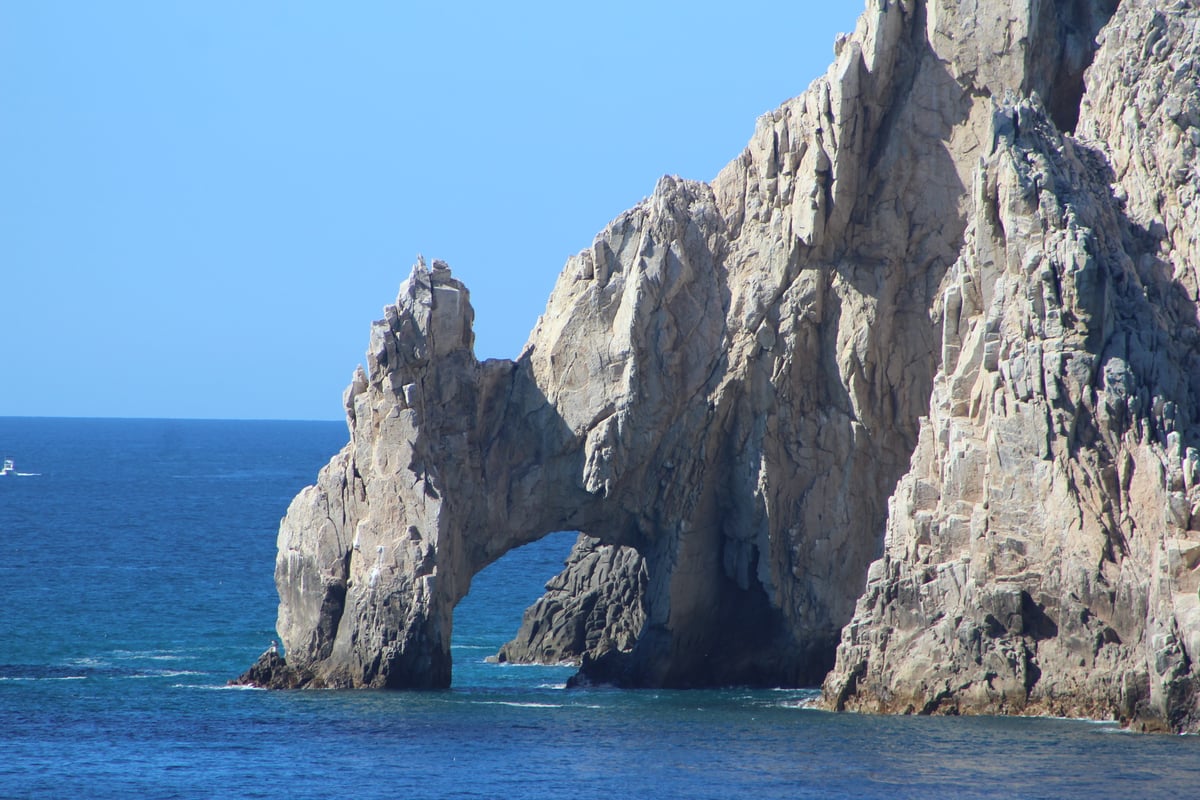
Beyond the obvious (and yes, you should absolutely take a boat out to see El Arco at least once), the things that keep me here are quieter. Whale watching season, from December through April, is one of the best experiences in Mexico. Humpback and gray whales pass right through the bay, close enough to see from shore on a good day.
Chileno Bay and Santa Maria Bay are both excellent for snorkeling, calmer and clearer than the beaches right in town. If you want to go further, Cabo Pulmo, about an hour and a half away, is a protected marine park with some of the best diving in the Sea of Cortez. And if you need a break from the coast entirely, Todos Santos, a Pueblo Mágico about 45 minutes from Cabo San Lucas, is where the original Hotel California is and has a growing arts scene worth a day trip.
My honest take
Los Cabos will not suit everyone. It leans upscale, it leans touristy in the wrong pockets, and if you come expecting cheap living everywhere, you will be disappointed. But if you want dependable dry weather, real infrastructure, easy flights home, and a genuine choice between a quiet historic town and a lively marina scene, both within the same city, I have not found anywhere else in Mexico quite like it. Feel free to reach out through the community boards here if you have questions. I check them often.
 From Guadalajara, メキシコ
 掲載情報の改善にご協力ください
ExpatsListの正確性と信頼性維持にご協力いただきありがとうございます。24時間以内にご報告を確認いたします。
問題が発生しました。もう一度お試しいただくか、直接お問い合わせください。
問題を報告するにはサインインしてください。必要に応じて報告内容をフォローアップするのに役立ちます。


