Chinook Changes Could Be Cooling Calgary’s Climate, Study Finds

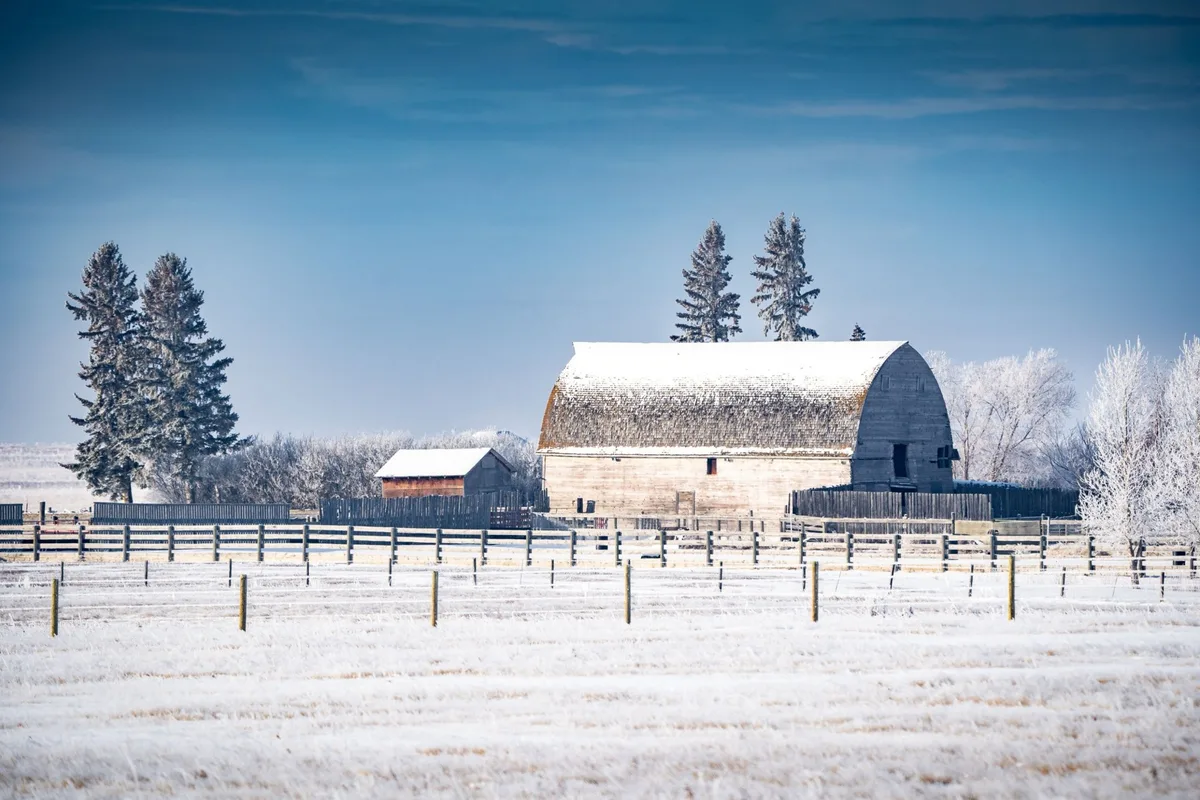
While much of North America experiences a warming trend due to climate change, a new study from the University of Calgary highlights a cooling anomaly in parts of southern Alberta. This trend, specifically in the regions from Calgary to Lethbridge and Medicine Hat, has been noted since 1980. Dr. John Yackel, a professor at the University of Calgary, attributes this cooling to the decline in chinook activity.
A chinook is a warm, dry wind that descends the eastern slopes of the Rocky Mountains, often causing temperatures to rise by as much as 20°C. The study found that strong westerly winds, which are crucial for creating chinooks, have become less common, while northern winds have increased, bringing colder air to the region. Dr. Yackel predicts that as the Arctic continues to warm, fewer chinooks will occur, leading to more prolonged snow cover and cooler spring temperatures.
For electricians like myself, living and working in Calgary, this news could affect how we manage the city’s energy consumption. With fewer warm days, heating demands might not drop as much as anticipated, impacting both personal and commercial energy use.
掲載情報の改善にご協力ください
ExpatsListの正確性と信頼性維持にご協力いただきありがとうございます。24時間以内にご報告を確認いたします。
問題が発生しました。もう一度お試しいただくか、直接お問い合わせください。
問題を報告するにはサインインしてください。必要に応じて報告内容をフォローアップするのに役立ちます。


